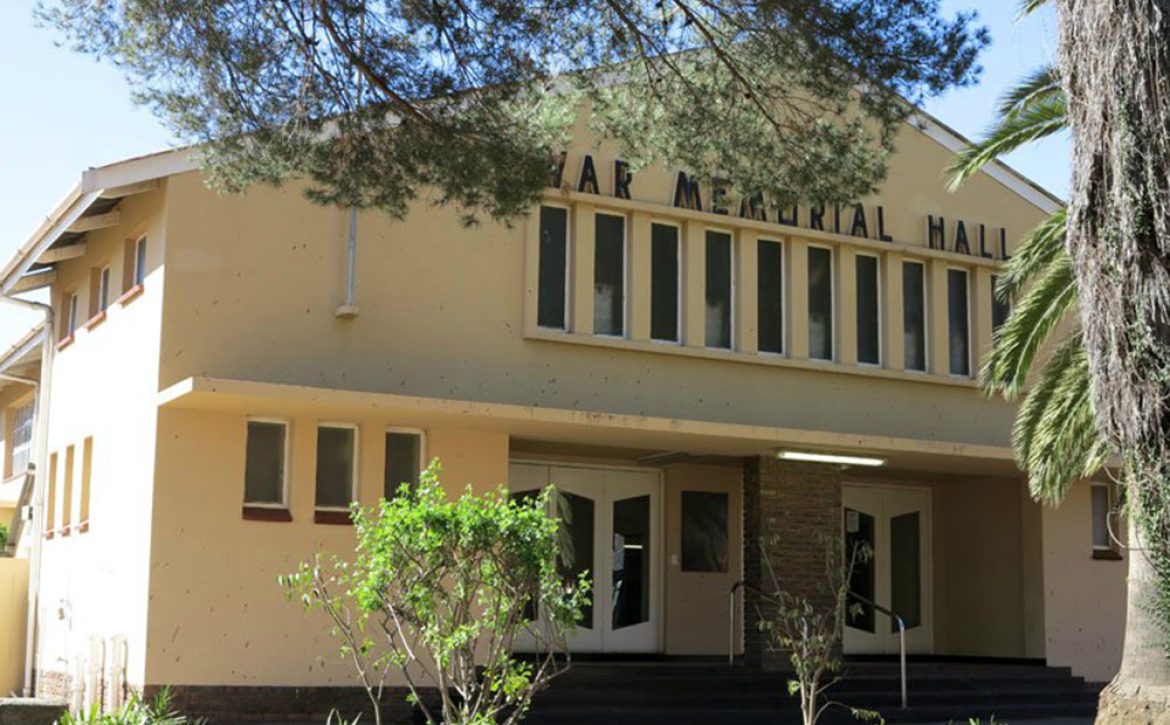
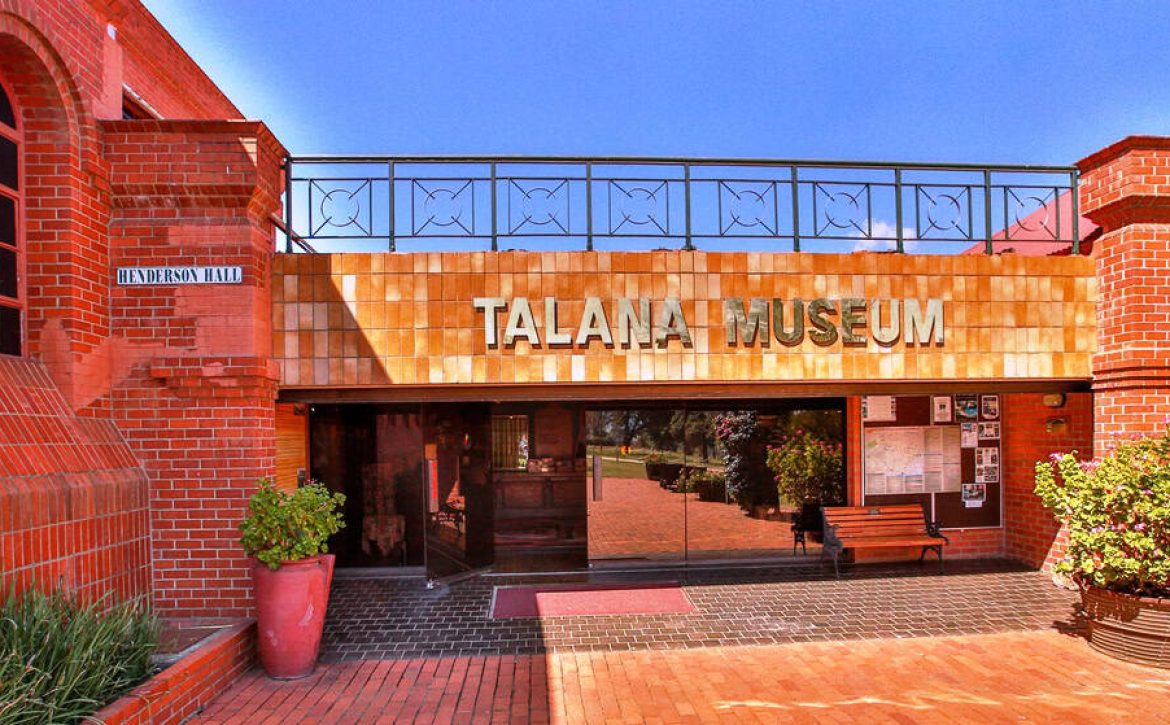
The war memorial hall was built to honour the service and sacrifice of the men and women of Dundee and the area who served in the Second World War. The funds for the building were raised by the citizens of Dundee in memory of the men of the district who fell in military engagements , members of the MOTH and BCESL (British Commonwealth Ex-Service League) members.
The MOTH organisation had been founded by Charles Evenden in 1928 to “help fellow servicemen in need and to remember all ex-servicemen and women who had died in war and peace time”. The Endumeni shellhole was founded in the late 1920’s. The BCESL was founded in 1921 by Field Marshall Haig, Jan Smuts and Gen Lukin to ”relieve the plight of soldiers who had returned form the horrors of the battlefields of France and Flanders in the Frist World War.
The organisation provided care, employment, housing for former soldiers. In the 1950’s Dundee had both a men’s and a Women’s Auxiliary branch. Towards the end of the Second World War a group of Dundee citizens got together to consider an appropriate memorial to the local men and women who had served and died in the war. It was decided not to erect another memorial – like the one for the First World War – but to build a living memorial that would be useful to the community.
The first step of the project was to build the shellhole so that there would be a home and venue for MOTH meetings. When work on the hall started there was not sufficient money and so the MOTH’s decided to offer their skills and labour free to help build the hall. Building was slow as it was done over weekends but eventually sufficient funds were raised to allow a bank bond to be raised and Johnstone & Keith to complete the construction. The hall was opened on 13 October 1956 by Gen Klopper, head of the South African Defence Force. The Natal Carbineers with their pipe band paraded through the town. For many years fund raising events were held to pay the bond on the building.
Inside the foyer is a memorial tablet to the men of Dundee and district who died in the war. This is not a comprehensive list for the whole town as other memorial tablets are found in the Anglican and Presbyterian churches and in Dundee High school.
There is also a memorial tablet to Alexander Harvey Biggar, after whom the range of mountains around Dundee is named (Biggarsberg). He died in the battle of Opathe Kloof in 1839 while assisting Boer forces in their battles against Zulu forces.
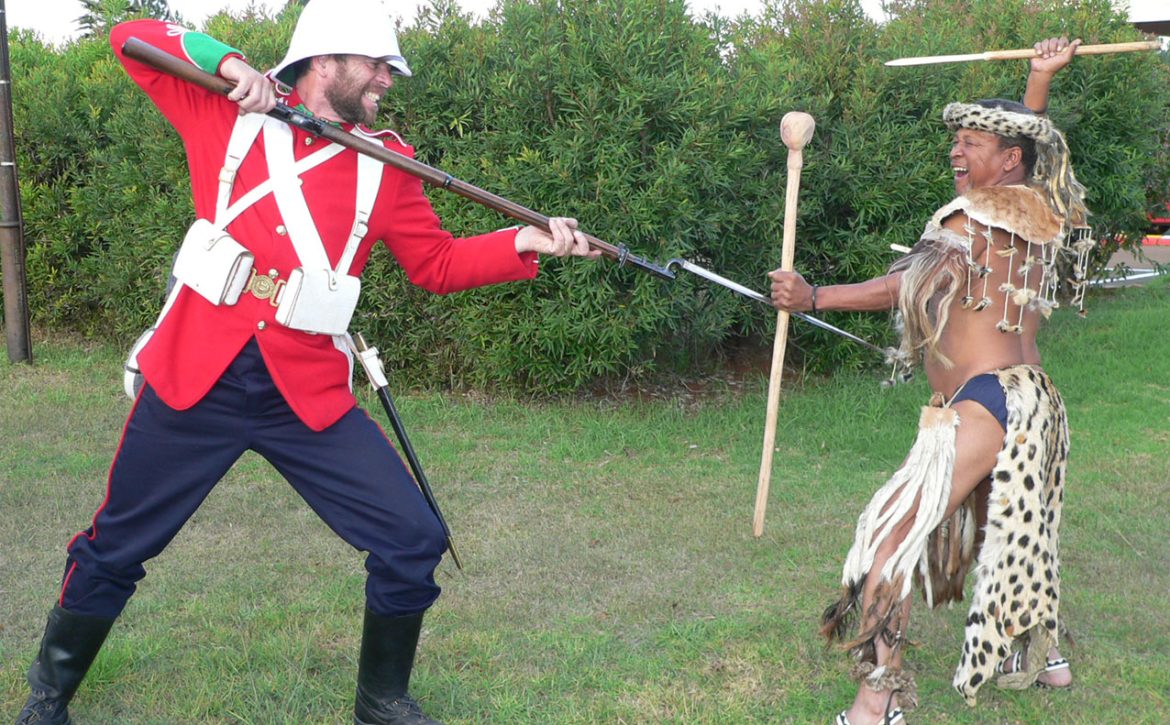
The Indumeni/Isandlwana Shellhole has a superb collection of military memorabilia dating from the Anglo Zulu war of 1879 to the present. It is open on Fridays evenings from 17:00 and welcomes visitors.
Contact Pat Rundgren 072 803 2885 to make arrangements to view the museum.